
Few design elements combine beauty and practicality as effortlessly as wooden sliding doors. These versatile architectural features slide smoothly along a track, saving valuable floor space while adding warmth, texture, and natural elegance to any room. From rustic barn doors and classic panel designs to minimalist Shoji screens and space-saving pocket doors, wooden sliding doors have become essential in modern interior design. They serve as room dividers, closet doors, concealed storage solutions, and seamless transitions to outdoor spaces. Whether you are renovating a small apartment or designing a spacious villa, discover how wooden sliding doors can elevate your home’s functionality and aesthetic appeal.
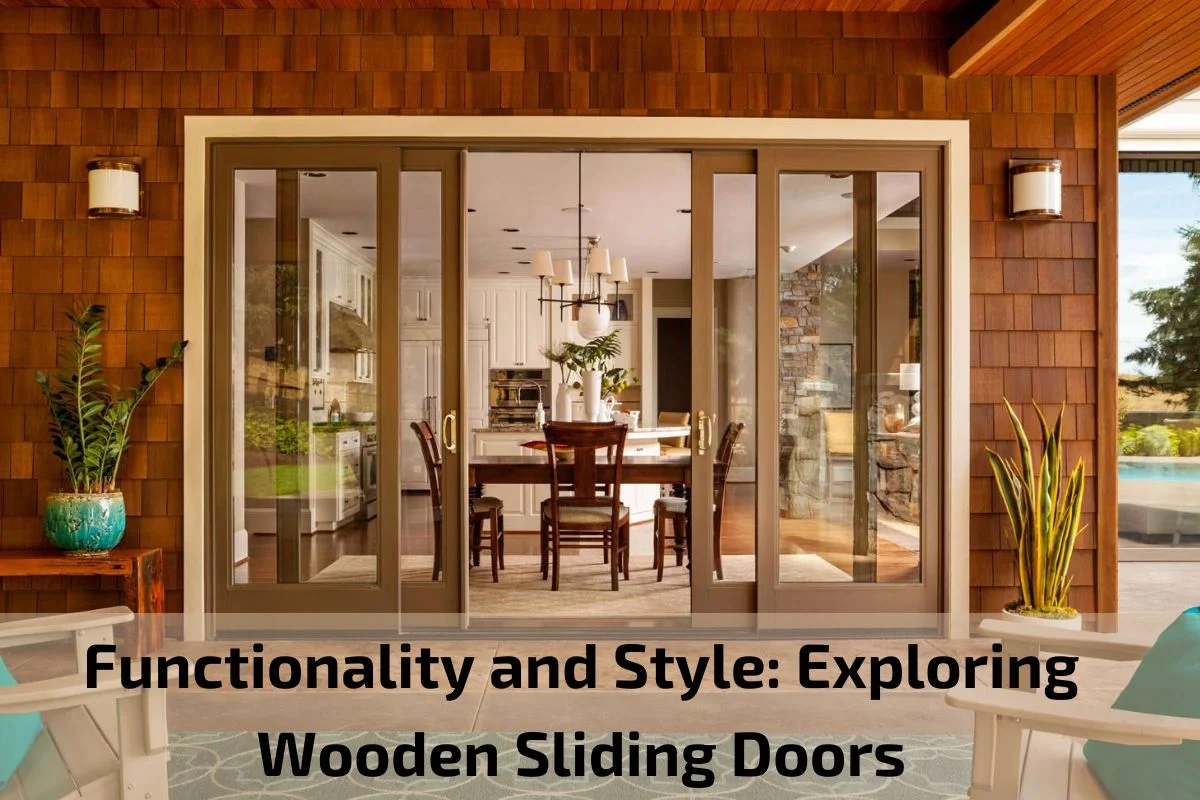
Wooden sliding doors epitomize the perfect fusion of functionality and style, offering a seamless blend of practicality and aesthetic appeal. In modern architectural design, these doors have emerged as versatile solutions, captivating homeowners and designers alike with their ability to transform spaces while adding a touch of warmth and natural elegance.
In this exploration of wooden sliding doors, we embark on a journey to unravel the essence of their charm and functionality. From their origins rooted in traditional craftsmanship to their contemporary adaptations, wooden sliding doors have evolved to become integral elements of interior and exterior design schemes.
Join us as we delve deeper into the world of wooden sliding doors, discovering their myriad applications, design possibilities, and the unique character they bring to every space they adorn. Whether used to partition living areas, create seamless transitions between indoor and outdoor spaces, or simply to enhance the aesthetic allure of a room, these doors exemplify the timeless marriage of form and function.
Definition and Significance of Wooden Sliding Doors:
Wooden sliding doors are architectural elements made primarily of wood that are designed to slide horizontally along a track, rather than swinging open like traditional hinged doors. These doors have gained significant popularity in modern interior design due to their aesthetic appeal, functionality, and space-saving properties.
The significance of wooden sliding doors lies in their ability to seamlessly integrate into various architectural styles and interior spaces while offering several advantages over conventional doors. Unlike swinging doors, which require space to open and close, sliding doors slide parallel to the wall, making them ideal for rooms with limited space or where traditional swing doors would be impractical.
Wooden sliding doors add warmth, texture, and natural beauty to any room, enhancing the overall ambiance and visual appeal. They create a sense of continuity between indoor and outdoor spaces when used as patio or balcony doors, blurring the boundaries between interior and exterior living areas.
Moreover, wooden sliding doors are known for their versatility, as they can be customized to suit specific design preferences and functional requirements. They come in various styles, finishes, and configurations, allowing homeowners to tailor them to complement the overall decor and architecture of their homes.
Brief overview of their Wooden Sliding Doors in modern interior design
Wooden sliding doors have emerged as key elements in modern interior design, revolutionizing the way spaces are utilized and experienced. Their sleek profiles, natural textures, and functional benefits have made them a preferred choice for architects, designers, and homeowners seeking to create contemporary and stylish living environments.
In modern interior design, wooden sliding doors are celebrated for their ability to optimize space and enhance the flow of natural light throughout a space. Unlike traditional swing doors, which require clearance for opening and closing, sliding doors slide along a track, allowing for seamless integration into rooms with limited floor space or unconventional layouts.
One of the defining features of wooden sliding doors in modern interior design is their versatility. They can be used in a variety of applications, including room dividers, closet doors, patio doors, and partitions, offering flexibility in how spaces are defined and utilized. This versatility allows for the creation of dynamic, multi-functional living environments that adapt to the changing needs and lifestyles of occupants.
In addition to their practicality, wooden sliding doors also make a design statement. Their natural beauty and warmth add character and charm to any space, creating a sense of organic elegance that resonates with modern design sensibilities. Whether crafted from rich hardwoods or eco-friendly reclaimed materials, wooden sliding doors bring a touch of sophistication and craftsmanship to interior spaces.
Moreover, wooden sliding doors offer opportunities for customization and personalization, allowing homeowners to tailor them to their specific design preferences and architectural styles. From sleek, minimalist designs to rustic, farmhouse-inspired aesthetics, wooden sliding doors can be customized to complement and enhance any interior decor scheme.

Types of Wooden Sliding Doors
Wooden sliding doors come in various styles and configurations, each offering unique aesthetics and functionality to suit different design preferences and spatial requirements. Here are some common types of wooden sliding doors:
Panel Sliding Doors: These doors feature large panels of wood that slide horizontally along a track. They can have single or multiple panels, providing flexibility in design and space division. Panel sliding doors are versatile and can be used in various interior settings, from bedrooms and living rooms to offices and closets.
Barn Doors: Inspired by traditional barn doors, these sliding doors are characterized by their rustic charm and distinctive hardware. Barn doors typically feature wooden planks arranged horizontally or vertically and slide along a track mounted above the doorway. They add a touch of farmhouse elegance to modern interiors and are ideal for spaces with a rustic or industrial aesthetic.
Pocket Doors: Pocket doors are designed to slide into a concealed pocket within the wall, maximizing space efficiency and providing a seamless transition between rooms. They are ideal for areas where swing doors would encroach on valuable floor space, such as small bathrooms or closets. Wooden pocket doors offer privacy without sacrificing square footage and can be customized to match the surrounding decor.
French Doors: French doors consist of two wooden panels that open outward from the center, allowing for maximum accessibility and natural light. When used as sliding doors, French doors offer a classic and elegant look that complements traditional and transitional interior styles. They are commonly used as patio doors or room dividers in formal living spaces.
Shoji Doors: Originating from traditional Japanese architecture, Shoji doors are constructed with wooden frames and translucent paper panels. They create a soft, diffused light effect while maintaining privacy and visual separation between rooms. Shoji sliding doors add a touch of serenity and Zen-inspired design to modern interiors, making them popular choices for bedrooms, meditation rooms, and spas.
Panel-Louvered Doors: These doors feature a combination of solid wood panels and louvered slats, providing ventilation and privacy control. The louvered slats allow airflow while filtering sunlight, making them suitable for humid environments such as bathrooms and laundry rooms. Panel-louvered sliding doors add texture and visual interest to interior spaces, blending traditional and contemporary design elements.
Customized Designs: Homeowners can also opt for customized wooden sliding doors tailored to their specific preferences and architectural requirements. Custom designs offer limitless possibilities in terms of materials, finishes, and configurations, allowing for truly personalized and distinctive door solutions that complement the overall design scheme of the home.
Creative Uses of Wooden Sliding Doors
Wooden sliding doors offer versatility and flexibility in interior design, allowing for creative and innovative applications that enhance both the functionality and aesthetics of living spaces. Here are some imaginative ways to incorporate wooden sliding doors into your home:
Room Dividers: Use wooden sliding doors to create visual and spatial separation between different areas of the home, such as dividing a living room from a dining area or creating a private workspace within a larger room. Sliding doors provide flexibility, allowing you to open up or close off spaces as needed, while adding architectural interest to the interior.
Closet Doors: Replace traditional hinged closet doors with sliding doors to optimize space and improve accessibility. Wooden sliding closet doors offer a sleek and modern look, while providing easy access to clothing and storage compartments. Choose from various panel designs and finishes to complement the overall decor of the room.
Concealed Storage: Install wooden sliding doors to conceal storage areas, such as built-in shelving units or media cabinets. Sliding doors can hide clutter and maintain a clean and streamlined appearance in living rooms, home offices, or entertainment spaces. Consider incorporating recessed handles or hidden tracks for a seamless and minimalist look.
Hidden Pantries: Create a hidden pantry in the kitchen by installing wooden sliding doors that blend seamlessly with cabinetry or wall paneling. Sliding pantry doors allow for easy access to food and supplies while keeping the kitchen looking neat and organized. Consider adding chalkboard or magnetic surfaces to the doors for shopping lists or meal planning.
Architectural Accents: Use wooden sliding doors as architectural accents to add character and charm to interior spaces. Choose doors with intricate panel designs, decorative hardware, or custom finishes to make a bold design statement. Sliding doors can serve as focal points in entryways, hallways, or feature walls, creating visual interest and enhancing the overall ambiance of the home.
Outdoor Transitions: Extend indoor living spaces to the outdoors by installing wooden sliding doors that open onto patios, decks, or garden areas. Sliding patio doors create a seamless transition between indoor and outdoor environments, allowing for easy entertaining and maximizing natural light and ventilation.
Zen Retreats: Create serene and tranquil retreats within the home by using wooden sliding doors to partition off meditation areas, yoga studios, or relaxation spaces. Choose doors with clean lines and natural finishes to evoke a sense of calm and balance. Sliding doors can help define zones for quiet reflection and mindfulness practice, promoting overall well-being and relaxation.
Custom Designs: Explore custom design options to tailor wooden sliding doors to your specific aesthetic preferences and functional requirements. Work with designers and craftsmen to create unique door solutions that reflect your personal style and complement the architectural character of your home. Consider incorporating glass inserts, metal accents, or decorative motifs for added visual impact.

Maintenance Tips for Wooden Sliding Doors
Proper maintenance is essential to ensure that wooden sliding doors remain in optimal condition, preserving their beauty, functionality, and longevity. Here are some maintenance tips to keep your wooden sliding doors looking and performing their best:
Regular Cleaning: Wipe down the surface of the doors with a soft, damp cloth to remove dust, dirt, and grime. Use a mild detergent or wood cleaner suitable for the type of finish on your doors. Avoid abrasive cleaners or harsh chemicals that can damage the wood or finish.
Inspect and Repair Damage: Regularly inspect the doors for any signs of damage, such as scratches, dents, or water stains. Repair minor damage promptly using wood filler, sandpaper, and touch-up paint or stain. For more extensive damage, consult a professional woodworker or carpenter for repairs.
Lubricate Moving Parts: Periodically lubricate the tracks, rollers, and hinges of the sliding doors to ensure smooth operation. Use a silicone-based lubricant or furniture wax to lubricate metal components and prevent friction. Avoid using oil-based lubricants, as they can attract dust and debris.
Check and Adjust Alignment: Check the alignment of the doors regularly to ensure they slide smoothly along the tracks without sticking or binding. Adjust the alignment by tightening or loosening the mounting screws on the rollers or hinges as needed. Make sure the doors are level and plumb to prevent uneven wear and tear.
Protect Against Moisture: Wooden sliding doors are susceptible to damage from moisture, especially in humid environments or areas prone to moisture buildup. Protect the doors from water exposure by installing door sweeps or weatherstripping to seal gaps and prevent water infiltration. Consider applying a waterproof sealant or wood preservative to the doors to protect against moisture damage.
Prevent Sun Damage: Protect wooden sliding doors from prolonged exposure to direct sunlight, which can cause fading, warping, and cracking of the wood. Install curtains, blinds, or UV-blocking window film to reduce sun exposure and minimize the risk of sun damage. Rotate the doors periodically to ensure even exposure to sunlight and prevent uneven fading.
Clean and Lubricate Hardware: Regularly clean and lubricate the hardware components of the sliding doors, such as handles, locks, and hinges. Use a mild detergent or metal cleaner to remove dirt and debris, and lubricate moving parts with a silicone-based lubricant to ensure smooth operation.
Perform Seasonal Maintenance: During seasonal changes, inspect the doors for any signs of wear or damage and perform maintenance tasks accordingly. Check for drafts, leaks, or gaps around the doors and weatherstrip or caulk as needed to improve energy efficiency and prevent air infiltration.
Conclusion
Wooden sliding doors are not just functional elements but also aesthetic features that contribute to the overall beauty and functionality of interior spaces. From their timeless appeal to their versatility in design and usage, wooden sliding doors offer homeowners a plethora of benefits.
Frequently Asked Questions (FAQ)
What are the main advantages of wooden sliding doors?
Wooden sliding doors save floor space by eliminating swing clearance, create seamless indoor-outdoor transitions, and add natural warmth and beauty to any room. They are versatile—used as room dividers, closet doors, or patio entrances—and offer customization in wood species, finishes, and hardware. They also provide privacy and sound insulation when closed.
What types of wooden sliding doors are available?
Common types include panel sliding doors, rustic barn doors, space-saving pocket doors that recess into walls, elegant French sliding doors, Japanese-inspired Shoji doors with translucent panels, and panel-louvered doors for ventilation. Custom designs are also available to match specific architectural styles and personal preferences.
Are wooden sliding doors suitable for small spaces?
Yes, they are ideal for small spaces. Unlike hinged doors that require swing clearance, sliding doors glide parallel to the wall, maximizing usable floor area. Pocket doors, which disappear into the wall, are especially effective for tight areas like bathrooms, closets, or studio apartments where every inch counts.
How do I maintain wooden sliding doors?
Clean regularly with a soft, damp cloth and mild wood cleaner. Lubricate tracks, rollers, and hinges with silicone-based lubricant twice yearly. Inspect for scratches, warping, or loose hardware. Repair minor damage with wood filler. Protect from direct sunlight and moisture by applying sealant and using weatherstripping where needed.
Can wooden sliding doors be used for exterior applications?
Yes, but they require weather-resistant hardwoods like teak or mahogany, marine-grade sealants, and stainless steel hardware. Exterior sliding doors work well for patios, decks, or garden entrances. Regular maintenance is essential to prevent moisture damage and UV fading. Covered installations offer better protection and longevity.
What is the difference between barn doors and pocket doors?
Barn doors slide on an exposed track mounted above the doorway, making them a visible design feature with rustic charm. Pocket doors slide completely into a recessed cavity inside the wall, disappearing when fully open. Pocket doors offer a cleaner, minimalist look and maximum space saving, but require wall cavities for installation.
How do I choose the right wood for sliding doors?
Hardwoods like oak, mahogany, and walnut offer durability and rich grain. Cedar resists moisture. Maple provides a smooth, light finish. Pine is affordable but softer. For exterior use, choose teak or mahogany. Consider your climate, desired aesthetics, and maintenance commitment when selecting wood species.
Do wooden sliding doors provide sound insulation?
Yes, solid wooden sliding doors effectively block and absorb sound, especially when fitted with tight seals or weatherstripping. Thicker panels (1.75 inches or more) perform best. They are excellent for home offices, bedrooms, media rooms, or any space where noise reduction and privacy are priorities.
Can I install wooden sliding doors myself?
DIY installation is possible for basic sliding door kits with top-mounted tracks, provided you have accurate measurements and basic tools. However, pocket doors and heavy solid wood panels require professional installation to ensure proper alignment, secure mounting into studs, and safe operation. Professional help prevents costly mistakes.
What creative uses exist for wooden sliding doors indoors?
Use them as room dividers to separate living and dining areas, as concealed pantry doors that blend with cabinetry, as hidden storage for media centers or shelving, or as closet doors. They can also create Zen retreats for meditation spaces, serve as architectural accent walls, or partition home offices from living areas.