
Your villa’s doors are more than just entry points—they are your first line of defense and a defining feature of your home’s character. When prioritizing security and functionality for villa doors, every detail matters, from the strength of materials to the reliability of locking mechanisms. The right door not only protects your family from intruders and harsh weather but also enhances privacy, energy efficiency, and daily convenience. In this guide, we explore essential security features, durable materials, and smart design choices to help you select villa doors that deliver peace of mind without compromising on style or ease of use.
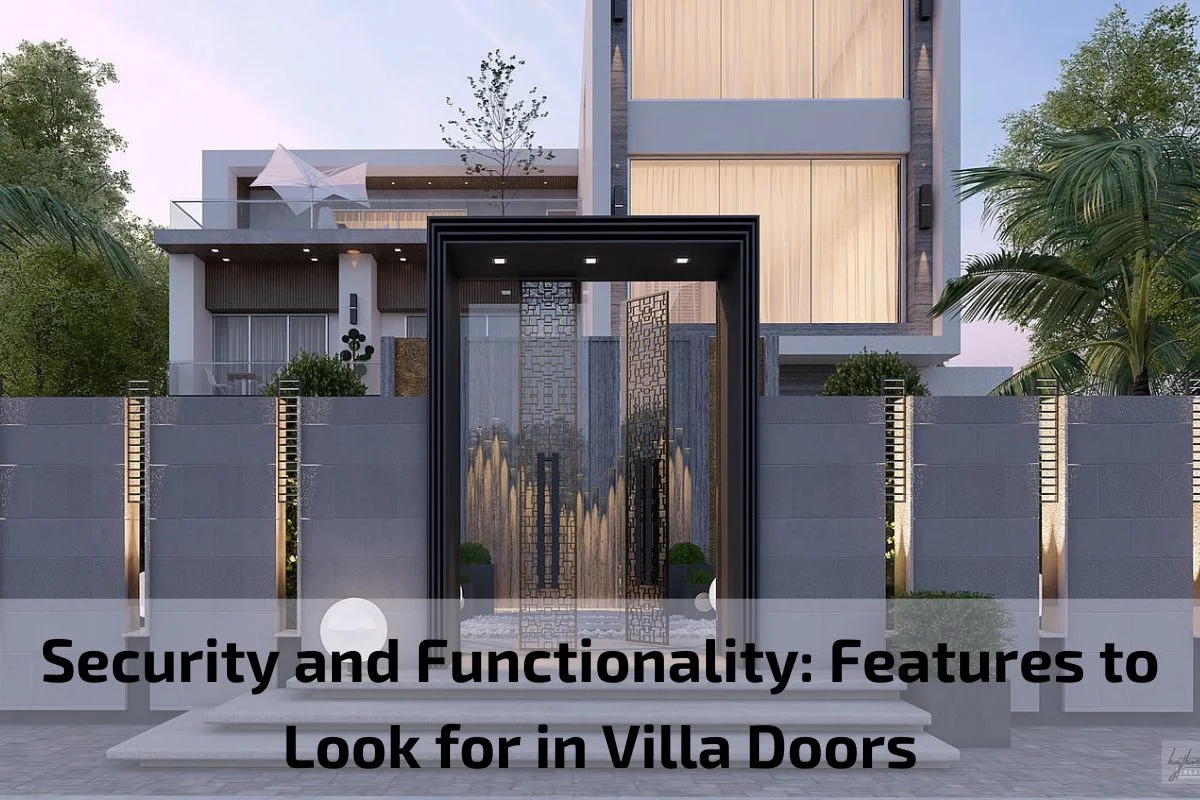
When it comes to selecting doors for your villa, security and functionality are paramount considerations. Villa doors serve as the primary barrier between your home and the outside world, providing protection, privacy, and peace of mind for you and your family. In this article, we will explore the essential features to look for in villa doors to ensure optimal security and functionality. From robust construction materials to advanced locking mechanisms and innovative technology, we’ll delve into the key aspects that contribute to the safety and efficiency of villa doors. Whether you’re building a new villa or upgrading existing doors, understanding these features will help you make informed decisions to safeguard your home and loved ones. Join us as we navigate the world of villa doors, discovering the elements that prioritize security and enhance functionality for homeowners.
Definition and Purpose of Villa Doors:
Villa doors are an integral component of residential architecture, serving as the primary entry and exit points of villas or large houses. These doors are typically designed to provide security, privacy, and aesthetic appeal while complementing the overall architectural style of the property.
The purpose of villa doors goes beyond mere functionality, as they also serve as a statement piece that enhances the curb appeal and visual aesthetics of the home. Villa doors are often crafted with attention to detail, incorporating intricate designs, quality materials, and durable construction to withstand various environmental factors and security threats.
In addition to providing access to the interior of the villa, these doors play a crucial role in regulating natural light, ventilation, and temperature within the living spaces. They also contribute to the overall ambiance and atmosphere of the home, creating a welcoming and inviting entrance for residents and guests alike.
Overall, villa doors serve as a vital element of home design, combining functionality, security, and style to enhance the comfort, safety, and beauty of residential properties.
Importance of Villa Doors in Home Design and Security:
Villa doors hold significant importance in both the aesthetic appeal and security of residential properties. They serve as the gateway to the home, welcoming occupants and visitors while providing essential protection against intruders and environmental elements. Here are several key reasons highlighting the importance of villa doors in home design and security:
First Impression: Villa doors are often the first feature of a home that visitors encounter, making them crucial in shaping the initial impression of the property. A well-designed and visually appealing door can enhance the curb appeal of the villa, adding character and charm to the overall facade.
Architectural Statement: Villa doors contribute to the architectural style and character of the home. Whether showcasing intricate detailing, modern minimalist design, or traditional craftsmanship, the door serves as a focal point that reflects the homeowner’s taste and the overall theme of the property.
Enhanced Security: One of the primary functions of villa doors is to provide security and privacy for residents. Sturdy construction, robust locks, and advanced security features help deter unauthorized access and protect occupants from potential threats or intrusions.
Privacy and Comfort: Villa doors create a barrier between the interior and exterior environments, offering privacy and insulation from noise, weather, and other external factors. This contributes to a comfortable and peaceful living environment for residents.
Natural Light and Ventilation: Well-designed villa doors allow for the regulation of natural light and airflow within the home. By incorporating features such as glass panels, sidelights, or transoms, doors can maximize daylighting and ventilation while maintaining security and privacy.
Energy Efficiency: High-quality villa doors with proper insulation and weather sealing contribute to energy efficiency by reducing heat loss in winter and heat gain in summer. This helps homeowners save on heating and cooling costs while promoting environmental sustainability.
Value Addition: Investing in quality villa doors can increase the overall value of the property. Potential buyers are often impressed by attractive and secure entryways, making them willing to pay more for homes with well-designed and well-maintained doors.
Types of Villa Doors:
Villa doors come in a variety of types, each offering unique features, aesthetics, and functionalities to suit different architectural styles and homeowner preferences. Here are some common types of villa doors:
Wooden Doors: Wooden doors are classic and timeless, known for their warmth, beauty, and versatility. They can be crafted from various types of wood, including oak, mahogany, and teak, and can feature intricate carvings, paneling, or glass inserts for added elegance.
Metal Doors: Metal doors are valued for their durability, strength, and security. They are typically made of steel or aluminum and offer excellent resistance to forced entry, weather, and wear. Metal doors can be customized with decorative patterns, finishes, and glass panels to enhance their aesthetic appeal.
Glass Doors: Glass doors are popular for their modern, sleek appearance and ability to maximize natural light and views. They can be made of tempered or laminated glass and come in various styles, including sliding, pivot, and French doors. Glass doors can create a seamless transition between indoor and outdoor spaces, making them ideal for villas with scenic views or outdoor living areas.
Composite Doors: Composite doors combine the benefits of different materials, such as wood, fiberglass, and PVC, to create a door that is both durable and low-maintenance. They offer the appearance of wood with the strength and insulation properties of other materials, making them ideal for villas exposed to harsh weather conditions.
French Doors: French doors consist of two panels of glass with wooden or metal frames that swing open from the center. They are characterized by their elegant design, versatility, and ability to bring in abundant natural light. French doors are often used as entrances to patios, gardens, or balconies, adding charm and sophistication to the villa’s exterior.
Sliding Doors: Sliding doors are practical and space-saving options for villas with limited space or modern architectural styles. They consist of large glass panels that glide along tracks, allowing for easy operation and unobstructed views. Sliding doors are ideal for connecting indoor and outdoor living areas and creating a seamless flow between spaces.
Pivot Doors: Pivot doors are contemporary and eye-catching, featuring a central pivot hinge that allows them to rotate on a vertical axis. They can be made of various materials, including wood, metal, or glass, and are known for their striking design and impressive size. Pivot doors make a bold statement as entrance doors to villas, inviting guests into the home with style and sophistication.

Functional Considerations for Villa Doors:
When selecting villa doors, it’s essential to consider not only their aesthetic appeal but also their functionality and practicality. Here are several key factors to keep in mind to ensure that your villa doors meet your functional needs:
Accessibility: Consider the ease of access and mobility when choosing villa doors, especially for individuals with disabilities or mobility challenges. Opt for doors with wide openings, lever handles, and threshold ramps to ensure accessibility for all residents and visitors.
Ease of Operation: Villa doors should be easy to open and close, requiring minimal effort and strain. Choose doors with smooth-operating hinges, handles, and locking mechanisms that are user-friendly and intuitive to use.
Weather Resistance: Villas are often exposed to harsh weather conditions, including rain, wind, and extreme temperatures. Select doors made from durable materials such as metal, fiberglass, or composite that can withstand the elements and maintain their integrity over time.
Insulation and Energy Efficiency: Well-insulated villa doors can help regulate indoor temperatures, reduce energy consumption, and lower utility bills. Look for doors with weather-stripping, thermal breaks, and energy-efficient glazing to minimize heat loss in winter and heat gain in summer.
Soundproofing: Villa doors play a crucial role in maintaining privacy and minimizing noise transmission between rooms and outdoor spaces. Choose doors with soundproofing features such as dense materials, multiple layers, and weather seals to create a quiet and peaceful living environment.
Security Features: Prioritize security when selecting villa doors to protect your home and loved ones from intruders and unauthorized access. Look for doors with robust locks, deadbolts, and multipoint locking systems that meet industry standards for security and resistance to forced entry.
Durability and Longevity: Invest in high-quality villa doors that are built to last and withstand daily wear and tear. Consider factors such as material strength, corrosion resistance, and maintenance requirements to ensure that your doors remain functional and attractive for years to come.
Ventilation and Natural Light: Villa doors should provide adequate ventilation and access to natural light while maintaining security and privacy. Choose doors with adjustable vents, sidelights, or transoms that allow for airflow and daylighting without compromising safety or comfort.

Maintenance and Care of Villa Doors:
Proper maintenance and care are essential to ensure that villa doors remain functional, attractive, and secure over time. Here are some tips for maintaining and caring for villa doors:
Regular Cleaning: Clean villa doors regularly using a mild detergent or soap solution and warm water. Use a soft cloth or sponge to gently wipe down the door surfaces, including the frame, panels, and hardware. Avoid using abrasive cleaners or harsh chemicals that can damage the finish or hardware.
Inspect for Damage: Periodically inspect villa doors for signs of wear, damage, or deterioration. Look for cracks, chips, dents, or scratches in the door material, as well as loose or damaged hardware such as hinges, handles, and locks. Address any issues promptly to prevent further damage and ensure the door remains secure and functional.
Lubricate Moving Parts: Lubricate door hinges, locks, and other moving parts regularly to ensure smooth operation and prevent friction or sticking. Use a silicone-based lubricant or graphite powder to lubricate hinges and locks, applying a small amount to the moving parts and wiping away any excess to prevent buildup.
Adjust and Tighten Hardware: Check door hardware, including hinges, screws, and bolts, to ensure they are securely fastened and properly aligned. Tighten any loose screws or bolts using a screwdriver or wrench as needed, and adjust hinge tension to ensure the door opens and closes smoothly.
Repair Damage Promptly: Repair any damage to villa doors promptly to prevent it from worsening over time. Fill in cracks, chips, or scratches with wood filler, epoxy, or other appropriate repair products, and sand the surface smooth before applying paint or finish to match the surrounding area.
Protect from the Elements: Protect villa doors from exposure to harsh weather conditions, including rain, sun, and extreme temperatures. Consider installing a door canopy or awning to shield the door from direct sunlight and precipitation, and ensure that weatherstripping and seals are intact to prevent water infiltration and drafts.
Maintain Finish and Paint: Touch up or repaint villa doors as needed to maintain their appearance and protect them from the elements. Clean the door surface thoroughly, sand any rough areas, and apply a fresh coat of paint or finish using high-quality exterior-grade products that are suitable for the door material.
Follow Manufacturer Guidelines: Follow any specific maintenance instructions or guidelines provided by the door manufacturer to ensure proper care and longevity. Refer to the manufacturer’s warranty for information on recommended maintenance procedures and products to use.
Conclusion:
Maintaining villa doors is essential for preserving their functionality, security, and aesthetic appeal. By following the maintenance and care tips outlined in this article, homeowners can ensure that their villa doors remain in optimal condition for years to come. Regular cleaning, inspection for damage, lubrication of moving parts, and prompt repair of any issues are key steps in keeping villa doors in top-notch condition.
Frequently Asked Questions (FAQ)
What are the most secure materials for villa doors?
Steel and solid hardwood are among the most secure materials for villa doors. Steel offers exceptional resistance to forced entry, while dense woods like mahogany and oak provide natural strength. For a balance of security and low maintenance, composite doors combining wood, fiberglass, and steel cores are also excellent choices.
How do multipoint locking systems improve villa door security?
Multipoint locking systems secure the door at multiple points along the frame—typically top, bottom, and center—rather than just at the handle. This distributes force evenly and makes it significantly harder for intruders to pry open the door. They are a highly recommended feature for exterior villa doors.
Are glass doors safe for villa entrances?
Yes, provided you use tempered or laminated safety glass and reinforce the frame with sturdy materials like aluminum or steel. For added security, position glass panels away from the lock area, use multiple locking points, and consider decorative grilles or security film to deter break-ins while maintaining natural light.
What maintenance do wooden villa doors require?
Wooden villa doors need regular cleaning with mild soap and water, annual inspections for cracks or rot, and refinishing every two to four years with sealant or paint. In humid climates, extra ventilation and waterproof coatings are essential. Proper maintenance prevents warping and extends the door’s lifespan significantly.
How can I improve energy efficiency with villa doors?
Choose doors with weatherstripping, thermal breaks, and insulated cores. For glass doors, select double or triple glazing with low-emissivity coatings. Proper installation and sealing around the frame prevent drafts and heat loss, reducing heating and cooling costs while keeping your villa comfortable year-round.
What is the difference between French doors and sliding doors for villas?
French doors feature two hinged panels that swing open from the center, offering an elegant look and maximum natural light. Sliding doors glide horizontally on tracks, saving floor space and suiting modern or minimalist designs. Both work well for patios, but French doors provide a more traditional aesthetic.
Do villa doors provide soundproofing benefits?
Yes, solid core doors made from dense wood, composite materials, or metal with insulation significantly reduce noise transmission. Adding weatherstripping and door sweeps seals gaps that let sound pass through. For villas near busy roads or neighbors, soundproofing features enhance privacy and indoor comfort.
What are pivot doors and are they secure for villas?
Pivot doors rotate on a vertical hinge at the top and bottom, allowing very large, heavy door panels. They are secure when built with reinforced frames, multi-point locks, and sturdy pivot hardware. Their dramatic, modern appearance makes them a striking and safe choice for grand villa entrances.
How often should I inspect my villa doors for security issues?
Inspect all exterior villa doors at least twice a year. Check hinges, lock alignment, frame integrity, and weatherstripping. Look for signs of wood rot, rust on metal doors, or loose screws. Promptly repair any damage or replace worn hardware to maintain optimal security and functionality.
Can I install a wooden villa door in a humid coastal area?
Yes, but choose naturally moisture-resistant woods like teak or mahogany, and apply marine-grade sealants. Ensure proper weatherstripping and consider a door canopy for added protection. Regular maintenance every six months is crucial. Composite doors that mimic wood may be a lower-maintenance alternative for harsh coastal climates.